
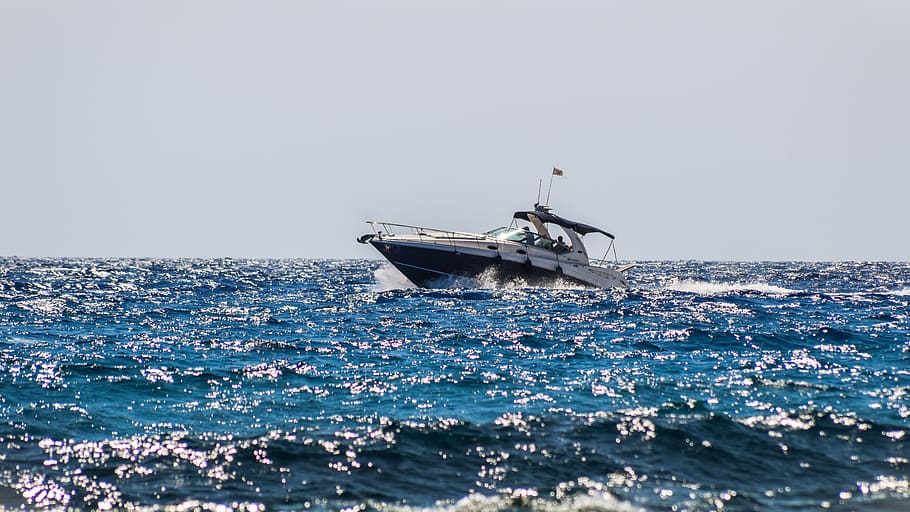
Seasickness is one of the most common problems experienced by people travelling by boat or spending a day at sea, especially if it is their first time out on the water. Seasickness can be a very unpleasant feeling. If you have a low tolerance for motion sickness, you may need medical treatment for seasickness.
What Causes Seasickness?
The most common causes of seasickness are the movement of the boat, the sea air and the sound of the waves.
- The movement of the vessel. The rhythmic rolling of the boat is transmitted through your feet or seat. You may feel as though you are moving from side to side, up and down, as well as backwards and forwards.
- The pitching motion of the boat. When a boat rises and falls, you may feel as though it is moving down and then back up again. When this happens, your body may interpret the movement as falling and react in ways that can contribute to nausea and discomfort.
- The nature of the surface on which passengers are sitting or standing. The surface of a boat or ship can make your body feel as though it is moving from side to side rather than simply up and down. Without visual reference points from your surroundings, this sensation may feel even stronger.
- Other people who are seasick. Being around other passengers who are feeling seasick can sometimes make you feel unwell too.